



Substance: SS-31
Price For: Vial (50 mg)
Brand: Peptide Hubs
Select Shipping Options:
🌐 International (12-15 Days)
🇺🇸 U.S. Domestic (5-7 Days)
SS-31 (also known as Elamipretide) has become one of the most intriguing research peptides in modern performance science because of its unusually targeted relationship with mitochondria—the energy engines of nearly all cells. While many compounds associated with athletic performance revolve around hormones, recovery, or tissue signaling, SS-31 stands out due to its unique focus on mitochondrial membranes and cellular energetics. This gives it a distinct place in athletic and bodybuilding research conversations centered on power output, endurance, and recovery capacity.
What sets SS-31 apart from typical bioactive peptides is its engineered affinity for cardiolipin, a phospholipid found primarily inside the inner mitochondrial membrane. Cardiolipin is essential for mitochondrial structure and electron transport efficiency, two elements that influence energy output under heavy physical stress.
In research contexts, SS-31 is studied for:
its potential to bind selectively to cardiolipin
its role in stabilizing mitochondrial architecture
its influence on oxidative capacity under stress
For athletes, mitochondria serve as the foundation of performance. They power endurance, contribute to explosive output, and support recovery between training bouts. A compound designed specifically with mitochondrial structure in mind naturally attracts serious interest in performance-focused fields.
Bodybuilders and athletes work in environments where high-energy demand and rapid turnover of metabolites are constant. The more efficiently cells produce usable energy, the more sustainable high-level performance becomes. SS-31's mechanism makes it relevant in several key areas:
During repeated high-intensity efforts—interval sprints, heavy sets, long training sessions—fatigue often begins at the cellular level. Research examining SS-31 explores how mitochondrial stability may influence the rate at which cells lose efficiency under stress.
Recovery is strongly tied to how well mitochondria return to baseline after exertion. Studies involving SS-31 often explore mitochondrial resilience, which could indirectly relate to how muscles replenish ATP after intense work.
Endurance athletes—from cyclists to functional fitness competitors—have shown interest in mitochondrial science for decades. SS-31's focus on mitochondrial membranes places it at the center of discussions about aerobic capacity and sustained output.
Mitochondrial density and efficiency are heavily influenced by training volume, intensity, and nutrient availability. SS-31 research offers insight into how mitochondria respond structurally to stress, which helps athletes better understand how to program training for optimal adaptations.
Unlike peptides associated with muscle repair (BPC-157), inflammation pathways (TB-500), or tissue remodeling (GHK-Cu), SS-31 functions in a category of its own: mitochondrial-targeted research peptides. This gives it a rare level of distinction within sports science because it deals not with tissue, but with the core machinery that fuels tissue performance.
SS-31 is studied for:
electron transport chain stability
reduction of mitochondrial leakiness
support of cell-level power production
structural preservation during physical stress
This makes it relevant for athletic populations who place exceptional stress on their cellular energy systems—whether through conditioning circuits, hypertrophy sessions, or multi-hour endurance training.
While often discussed in endurance circles, mitochondrial efficiency matters enormously in strength sports as well:
hypertrophy demands consistent ATP turnover
strength sessions create dense bursts of energetic stress
off-season bulking phases increase metabolic load
contest prep involves calorie restriction, amplifying mitochondrial demands
Better mitochondrial stability can contribute to more predictable energy levels, improved work capacity in the gym, and better resilience during periods of aggressive training.
Athletes and coaches who follow SS-31 research often use it as an entry point into broader topics such as:
mitochondrial biogenesis
free radical control during training
cellular aging in high-performance environments
metabolic flexibility
the relationship between cardiolipin and ATP production
Because modern training pushes athletes to extremes, learning about energy-system biology becomes a competitive advantage—even without the use of research compounds themselves.
SS-31 (50mg) stands out as one of the most scientifically unusual peptides in athletic research due to its targeted relationship with cardiolipin and mitochondrial structure. Rather than focusing on hormones, regeneration, or cellular communication, it speaks directly to the fundamental mechanisms of energy production—making it highly relevant to bodybuilders and athletes who want to understand how high performance is built at the cellular level.
Please log in to write SS-31 50mg review.
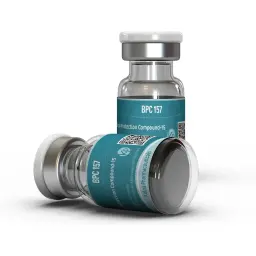
Substance: BPC 157
Price For: Vial 2 ml (5 mg)
Brand: Kalpa Pharmaceuticals

Substance: Bacteriostatic Water
Price For: Vial 10 ml (0.9%)
Brand: Kalpa Pharmaceuticals

Substance: Somatropin
Price For: 1 kit (10 vials 20 iu/vial)
Brand: Kalpa Pharmaceuticals
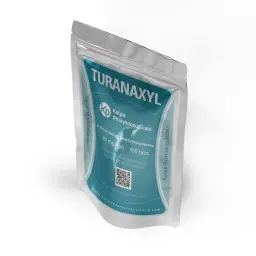
Substance: 4-Chlorodehydromethyltestosterone
Price For: 100 tabs (10 mg/tab)
Brand: Kalpa Pharmaceuticals

Substance: Trenbolone Blend: Trenbolone Acetate, Trenbolone Enanthate, Trenbolone Hexa
Price For: 10 ml vial (150 mg/ml)
Brand: Kalpa Pharmaceuticals

Substance: Trenbolone Enanthate
Price For: 10 ml vial (200 mg/ml)
Brand: Kalpa Pharmaceuticals
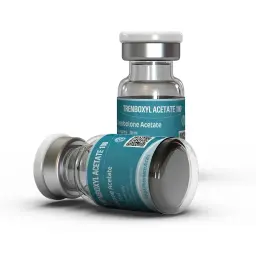
Substance: Trenbolone Acetate
Price For: 10 ml vial (100 mg/ml)
Brand: Kalpa Pharmaceuticals
|
|
Top Steroids Brands |
Best Caterories |
Buy Peptides |
Substances |