

Peptide vs Steroid Hormones: Understanding the Divide That Shapes Human Physiology
In conversations about metabolism, muscle development, stress regulation, and overall health, two categories of hormones consistently dominate the discussion: peptide hormones and steroid hormones. Although both act as chemical messengers, their structures, signaling mechanisms, and physiological outcomes couldn't be more distinct. Exploring the differences between these hormone classes is essential for anyone studying biology, analyzing performance physiology, or simply trying to make sense of how the body maintains internal balance.
What Makes Peptide and Steroid Hormones Fundamentally Different?
The key distinction begins with their molecular construction.
Peptide hormones are built from chains of amino acids - essentially miniature proteins. This structure makes them water-soluble, allowing them to travel easily in the bloodstream but preventing them from slipping through cell membranes. As a result, they must bind to receptors on the cell surface.
Steroid hormones, in contrast, are synthesized from cholesterol. Their lipid-based nature gives them an unusual advantage: they can pass directly through the cell's membrane and bind to receptors within the cytoplasm or nucleus. This difference in entry point completely alters how each hormone class influences cellular behavior.
Signaling Pathways: Fast vs. Deep-Acting Communication
Because peptide hormones rely on surface receptors, they trigger rapid signaling cascades. When a peptide hormone docks on a cell, it activates a series of enzymes and secondary messengers that amplify the signal within seconds. This style of communication allows the body to respond quickly to fluctuating conditions—think insulin regulating blood glucose or growth hormone influencing tissue recovery after exercise.
Steroid hormones move more slowly but act more profoundly. Once inside the nucleus, they can alter gene expression. This means a steroid hormone's effect isn't just fast feedback—it can reshape how a cell behaves over hours, days, or even longer. Cortisol's influence on metabolism or testosterone's long-term effects on muscle protein synthesis are classic examples of this deeper level of control.
Examples and Their Physiological Roles
Common Peptide Hormones
-
Insulin: orchestrates glucose uptake and energy regulation.
-
Growth hormone (GH): pivotal for cell repair, fat metabolism, and development.
-
Leptin: helps regulate hunger and energy expenditure.
Common Steroid Hormones
-
Testosterone: influences muscle development, libido, and overall anabolic balance.
-
Estrogen: shapes reproductive health, bone density, and cardiovascular function.
-
Cortisol: modulates stress response, immune activity, and energy mobilization.
Understanding these examples highlights a pattern: peptide hormones manage immediate shifts in physiology, while steroid hormones tend to shape broader, long-term adaptations.
How the Body Regulates Each Hormone Type
Another crucial difference lies in endocrine control.
Peptide hormones are often secreted in pulses and respond rapidly to metabolic needs—blood glucose changes, food intake, or stress. Their short half-lives allow the body to fine-tune levels with precision.
Steroid hormones, however, rely on slower feedback loops coordinated through the hypothalamus and pituitary gland. Because their effects linger longer, the body regulates them more conservatively, ensuring stable hormonal rhythms.
Why the Distinction Matters for Health and Fitness
From a practical standpoint, understanding peptide vs. steroid hormones helps clarify everything from training recovery to metabolic responses:
-
Performance and recovery: Peptide hormones often mediate acute responses like nutrient transport and tissue repair signals.
-
Body composition: Steroid hormones shape long-term changes in muscle mass, fat distribution, and inflammatory balance.
-
Stress and adaptation: Fast-acting peptide responses help stabilize moment-to-moment stress, while steroid responses determine how the body adapts to prolonged challenges.
Recognizing how these hormone classes operate can deepen one's understanding of physiology without venturing into dangerous or unregulated use of exogenous hormones. Any medical or performance-related decisions involving hormones must always be guided by qualified healthcare professionals.
Final Thoughts
Peptide and steroid hormones are two sides of the body's intricate communication network—one specializing in rapid adjustments, the other in durable, long-range physiological shifts. Their differences in structure, signaling pathways, and biological roles reveal just how elegantly the body maintains stability while responding to internal and external demands. Whether examining metabolism, fitness, or general health, appreciating the unique nature of each hormone class offers valuable insight into human biology.
Articles
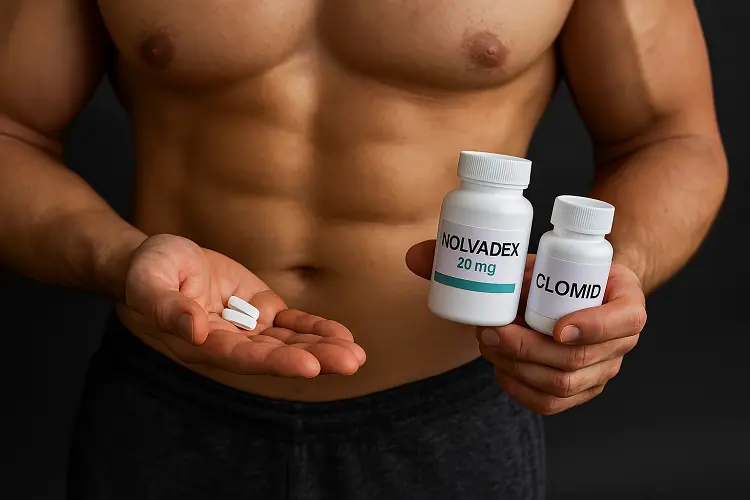
Optimize your post cycle therapy with the perfect Nolvadex and Clomid PCT dosage. Learn how to combine both for full hormonal recovery, minimize suppression, and keep gains post-cycle. Ideal for bodybuilders and athletes.

GHRP-2 is a powerful growth hormone-releasing peptide used by athletes to boost GH levels, improve recovery, enhance fat loss, and support lean muscle growth. Learn what GHRP-2 is, how much to take.

Discover where to buy Testosterone Cypionate 250mg safely from verified manufacturers. Learn how to identify authentic products, avoid counterfeits, and choose trusted brands for effective testosterone therapy.
Customers Feedbacks
Please leave your feedback on products or service below.
Thank you beforehand.