IDENTITY
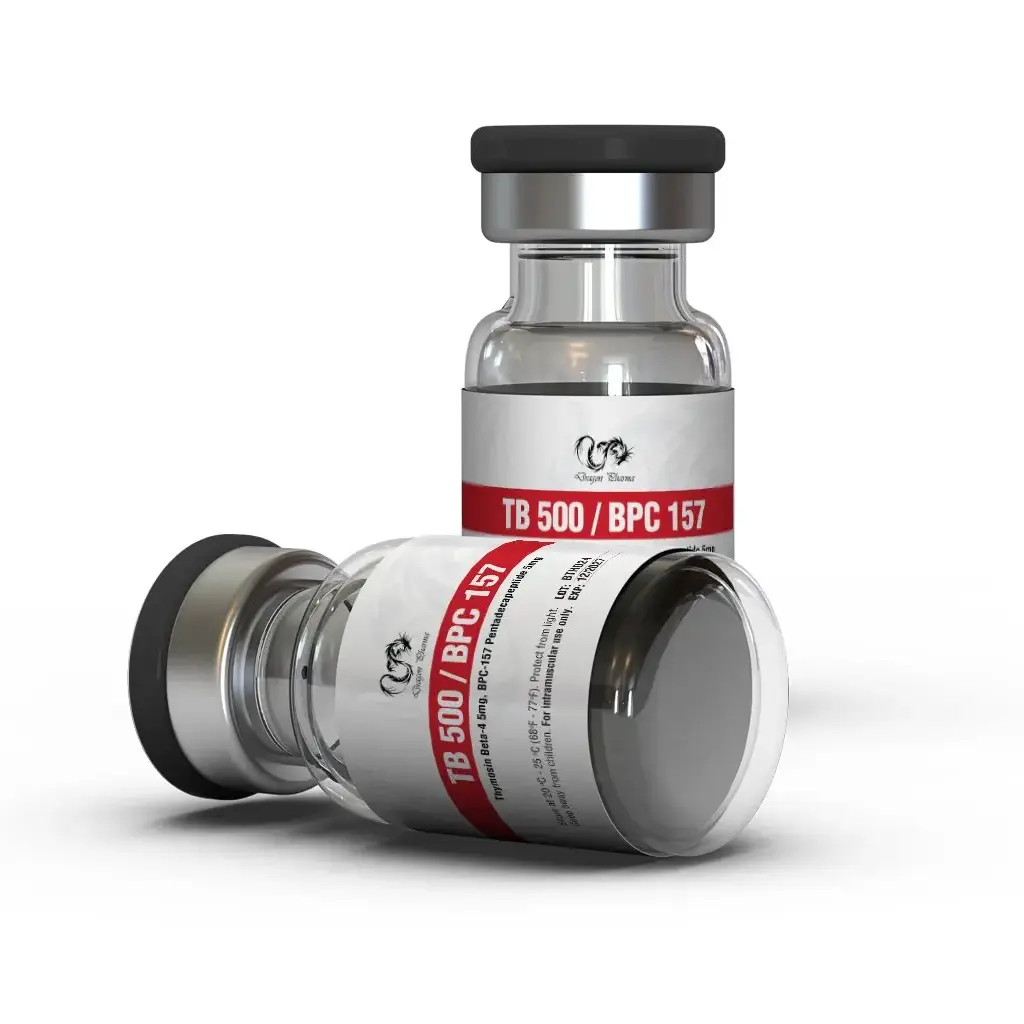
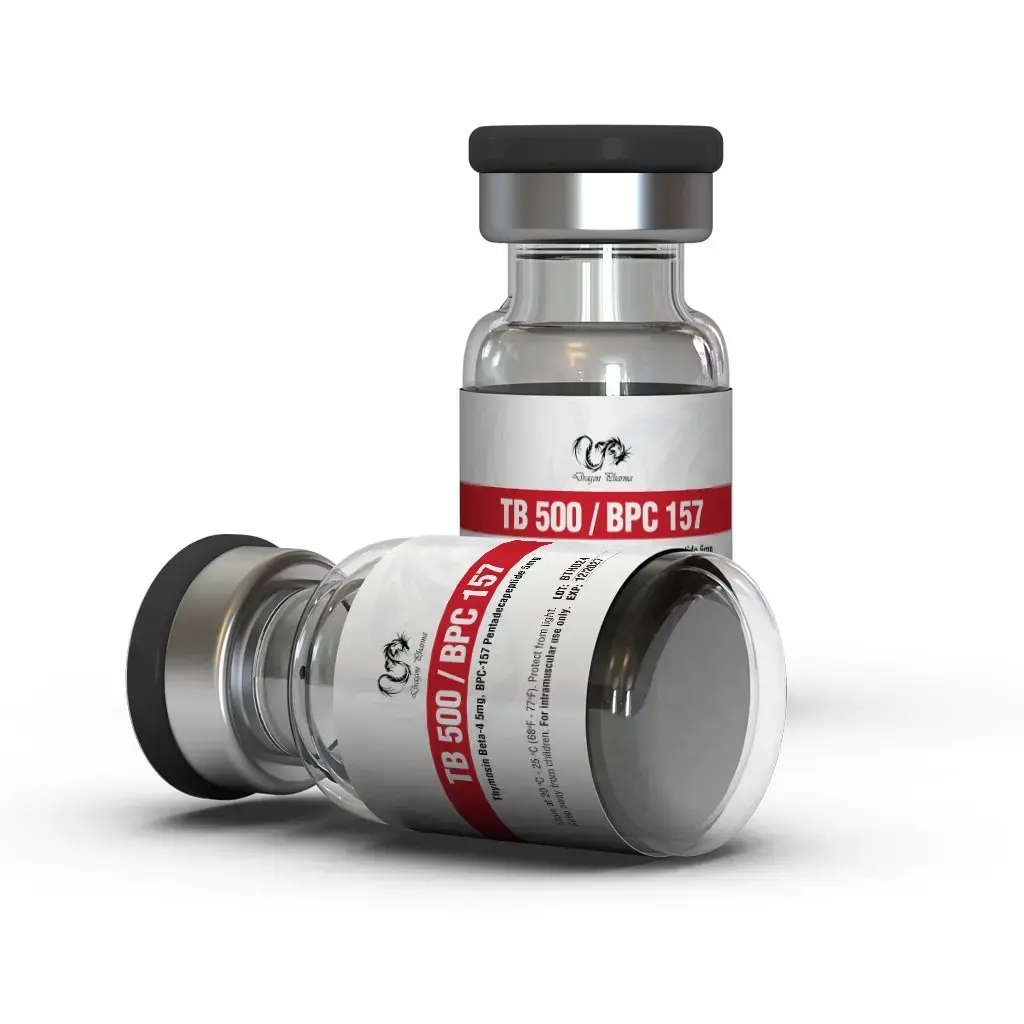
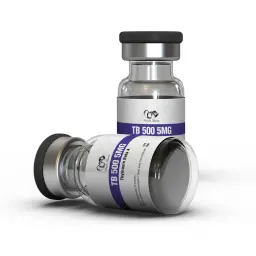
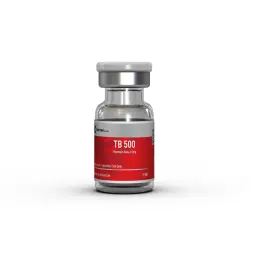
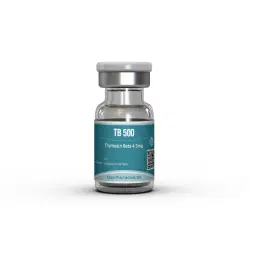
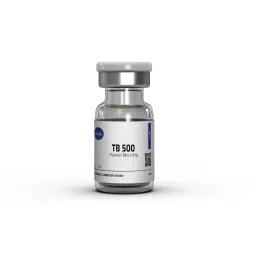
CompoundTB 500 / BPC 157 Blend
SubstanceThymosin Beta 4 5mg + BPC 157 5mg
Strength10 mg/vial
FormLyophilized Peptide Vial
ClassResearch Peptide Blend
PEPTIDE PROFILE
TB-500Thymosin Beta 4 Fragment
BPC-157Body Protection Compound
AdministrationSubcutaneous Injection
PurposeTissue Recovery Research
FormSterile Lyophilized Powder
PHARMACOLOGY
MechanismCellular Repair Signaling
AngiogenesisResearch Activity
RecoverySoft Tissue Support
MuscleRegeneration Pathways
CategoryPeptide Compound
STORAGE & PACKAGE
BrandDragon Pharma
Package10 mg Multi-dose Vial
Storage Before Use2-8°C Recommended
After ReconstitutionRefrigerated Storage
ProtectionAvoid Light & Heat
ADMINISTRATION PROFILE
RouteSubcutaneous (SC)
FrequencyDaily or Divided Schedule
Injection SiteAbdominal SC Area
UsageRecovery Focused Protocols
ReconstitutionBacteriostatic Water Required
DOSING INFORMATION
Beginner250 mcg/day
Intermediate250-500 mcg/day
Advanced500 mcg/day
Weekly Amount1.75-3.5 mg/week
Typical Duration4-8 weeks
USAGE PROFILE
Start TimeRecovery protocols commonly begin after injury stress
Early PhaseWeek 1-2 cellular signaling focus
Active PhaseWeek 3-6 continued recovery support
EvaluationWeek 6-8 response assessment
PurposeResearch-based tissue recovery
BODYBUILDING USAGE
Training PhaseRecovery / Injury Management
Muscle SupportConnective Tissue Focus
Common InterestHigh Training Volume Athletes
Cycle UseRecovery Support Periods
CombinationCompatible With Recovery Nutrition
RECOVERY & DISCONTINUATION
PCTNot Required
Hormonal SuppressionNo Testosterone Suppression Expected
StoppingGradual Discontinuation
MonitoringRecovery Response Assessment
DurationProtocol Dependent
COMPATIBILITY
Recovery StackNutrition + Sleep Optimization
Training SupportHigh Volume Programs
Peptide UseResearch Combination Protocols
SupportProtein & Rehabilitation
MonitoringClinical Assessment
MECHANISM OF ACTION
TB-500 TargetActin Binding & Cellular Migration Pathways
BPC-157 TargetPeptide Signaling Research Pathways
Blood VesselsAngiogenesis Related Activity
TissueRepair Signaling Research
RecoveryCellular Adaptation Support
PHARMACOKINETICS
AbsorptionSubcutaneous Peptide Absorption
DistributionSystemic Peptide Availability
MetabolismPeptide Breakdown Pathways
Half-lifeLimited Human Data Available
ClearanceProteolytic Metabolism
SAFETY PROFILE
Clinical DataLimited Human Evidence
Liver ToxicityNo Established Hepatotoxicity Profile
HormonesNo Direct Androgen Suppression
Immune ResponseMonitoring Recommended
Research StatusExperimental Compound
CONTRAINDICATIONS
PregnancyNot Recommended
Cancer HistoryMedical Evaluation Required
AllergyAvoid Hypersensitivity Risk
Medical ConditionsProfessional Assessment
ChildrenNot Indicated
CHEMICAL PROFILE
CompoundThymosin Beta 4 Fragment + BPC-157
CategoryBioactive Peptide Blend
FormulaPeptide Specific Structures
Molecular WeightCompound Dependent
CASIndividual Peptide Identifiers
OVERVIEW
Dragon Pharma TB 500/BPC 157 Blend combines two research peptides: Thymosin Beta 4 related peptide activity and BPC 157. The combination is commonly discussed within bodybuilding communities for recovery-focused applications, connective tissue research, training stress management and injury rehabilitation support. Human clinical evidence remains limited and the compounds are not approved for general athletic performance enhancement.
BENEFITS
- Recovery pathway research
- Connective tissue support interest
- Muscle repair signaling research
- Training recovery applications
- Potential angiogenesis-related activity
- Non-androgenic peptide profile
- No traditional anabolic steroid suppression
POTENTIAL RISKS
- Limited long-term human safety data
- Unknown effects from prolonged use
- Possible injection site reactions
- Quality variation between sources
- Insufficient clinical performance data
- Unknown effects in specific diseases
WHY CHOOSE DRAGON PHARMA PEPTIDE
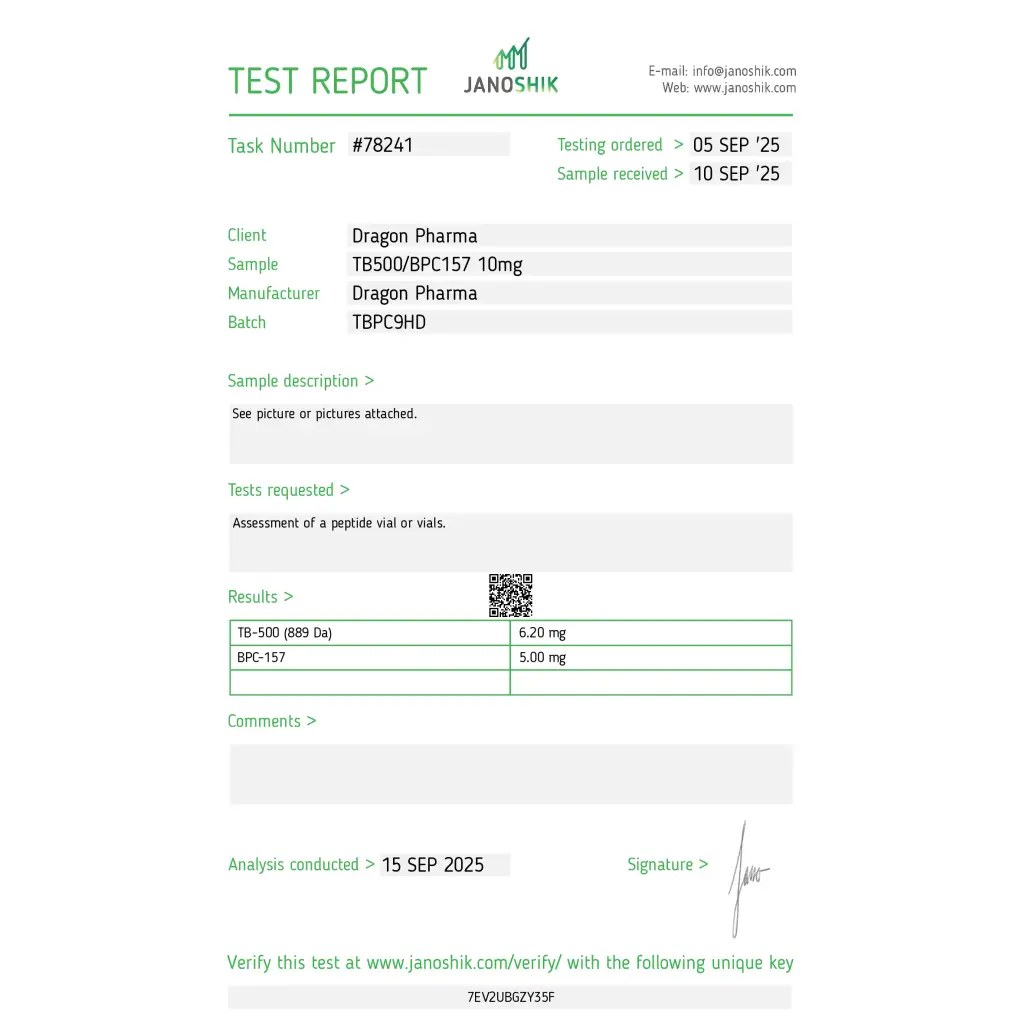
Dragon Pharma TB 500/BPC 157 Blend is designed as a peptide-based research formulation combining two well-known recovery-focused compounds: Thymosin Beta 4 related peptide activity and BPC 157. The blend format provides a combined approach for researchers interested in peptide signaling, tissue adaptation and recovery-related pathways.
- Combined TB-500 and BPC-157 peptide profile
- Convenient 10 mg/vial blend formulation
- Lyophilized peptide presentation for stability
- Focused on recovery and tissue research applications
- Non-androgenic peptide category
- Suitable for research protocols evaluating recovery pathways
- Produced as a pharmaceutical-style peptide preparation
Dragon Pharma peptide products are commonly recognized among bodybuilding research communities for their focus on formulation consistency, peptide presentation and recovery-oriented research applications. As with all research peptides, scientific evaluation and responsible handling remain essential due to limited long-term clinical data.
CONCLUSION
Dragon Pharma TB 500/BPC 157 Blend is a peptide-based research product containing Thymosin Beta 4 related peptide and BPC 157 in a combined 10 mg vial format. Unlike anabolic steroids, this compound does not function through androgen receptor activation and is primarily associated with tissue recovery research.
For bodybuilding audiences, TB-500/BPC-157 blends are mainly discussed around high-intensity training recovery, connective tissue support and rehabilitation periods. Current scientific evidence is limited, and athletic applications are not established as approved medical treatments.
Responsible evaluation requires attention to product quality, medical status, laboratory monitoring where appropriate, and awareness that research peptides may have incomplete safety profiles.
Disclaimer
This information is provided for educational and scientific reference purposes only. It does not represent medical advice, treatment recommendation, or approval of non-medical peptide use. Always consult qualified healthcare professionals regarding medical decisions and applicable regulations.
REFERENCES
Thymosin beta 4 biological activity and tissue repair mechanisms: PubMed Research
Peptide pharmacology and biological activity database: DrugBank