

Best Peptides for Muscle Growth: Intelligent Performance Tools for Serious Athletes
Introduction: Muscle Growth Is No Longer One-Dimensional
In modern bodybuilding, muscle growth is no longer driven by training intensity alone. Today's athletes operate in a performance ecosystem where recovery, hormonal signaling, tissue repair, and metabolic efficiency all determine how much muscle can actually be built. This is where peptides enter the conversation - not as shortcuts, but as biological optimizers that help the body respond better to training stress.
Understanding the best peptides for muscle growth allows bodybuilders and athletes to approach hypertrophy with strategy rather than guesswork.
What Are Peptides and Why Do Athletes Use Them?
Peptides are short amino-acid chains that act as instructional messengers in the body. Instead of forcing hormonal changes, peptides communicate with existing receptors, encouraging the body to enhance natural processes such as growth hormone release, tissue repair, and muscle cell activation.
Athletes are drawn to peptides because they:
-
Work through signaling rather than suppression
-
Support recovery alongside growth
-
Can be integrated into long-term training plans
-
Emphasize sustainability and balance
This makes peptides especially appealing to experienced lifters who value longevity as much as size.
Growth-Focused Peptides Popular in Bodybuilding
Growth Hormone - Stimulating Peptides
Growth hormone (GH) plays a critical role in muscle repair, fat metabolism, and lean mass preservation. Certain peptides support GH output by enhancing the body's natural release patterns, rather than maintaining constant hormone levels.
Commonly discussed examples include:
-
CJC-1295
-
Ipamorelin
-
GHRP-2 and GHRP-6
These peptides are often associated with improved recovery, deeper sleep quality, and enhanced body composition—factors that indirectly support muscle growth.
IGF-Related Peptides for Muscle Cell Development
Insulin-like Growth Factors influence how muscle fibers grow and adapt to resistance training. Peptides in this category are explored for their role in:
-
Muscle cell differentiation
-
Satellite cell activation
-
Enhanced nutrient utilization within muscle tissue
Examples frequently referenced by advanced athletes include:
-
IGF-1 DES
These peptides are typically discussed in the context of high-volume training phases where adaptation and hypertrophy are priorities.
Myostatin-Influencing Peptides
Myostatin acts as a biological limiter on muscle growth. Some peptides are researched for their ability to reduce myostatin activity, potentially allowing greater muscular response to training.
Examples often mentioned in research circles:
-
Follistatin-based peptides
-
Experimental myostatin-modulating compounds
These are generally explored by advanced users seeking to push beyond natural growth ceilings—always with caution and education.
Recovery Peptides: The Missing Link in Muscle Growth
Muscle is built during recovery, not during the lift itself. Many of the most effective peptides for muscle growth work indirectly by improving the body's ability to heal and adapt.
Highly popular recovery-focused peptides include:
-
TB-500 (Thymosin Beta-4 fragment)
These peptides are valued for supporting:
-
Muscle and tendon repair
-
Joint resilience
-
Reduced inflammation from heavy training
For competitive athletes, faster recovery often means more productive training sessions over time, leading to greater hypertrophy.
Metabolic Peptides That Support Lean Muscle Gains
Some peptides don't directly increase muscle size but improve the metabolic environment that allows lean mass to be built more efficiently.
Examples gaining attention include:
-
Tesofensine (research contexts)
-
Survodutide
-
AOD-9604
These compounds are explored for appetite control, nutrient partitioning, and energy balance—key factors during cutting or recomposition phases.
Peptides vs Traditional Muscle-Building Agents
| Aspect | Peptides | Traditional Anabolic Agents |
|---|---|---|
| Primary action | Signaling optimization | Hormonal override |
| Recovery support | Strong | Moderate |
| Long-term sustainability | High | Limited |
| Endocrine disruption | Low | High |
Many modern bodybuilders now see peptides as foundational tools that support training, rather than aggressive compounds that replace it.
Smart Integration for Bodybuilders
Experienced athletes often integrate peptides based on training goals:
-
Growth-hormone peptides during bulking
-
IGF-related peptides during hypertrophy blocks
-
Recovery peptides during high-intensity or injury-prevention phases
The emphasis is not on stacking everything—but on purpose-driven selection.
Safety, Quality, and Responsible Use
Peptides are highly dependent on quality and sourcing. Reputable products typically feature:
-
Verified purity testing
-
Accurate labeling
-
Transparent research classification
Athletes should avoid products promising instant muscle growth or unrealistic transformations.
Frequently Asked Questions
Do peptides replace hard training?
No. Training stimulus remains essential.
Are peptides anabolic steroids?
No. They work through different biological mechanisms.
Are peptides suitable for long-term athletes?
Many athletes explore peptides specifically for sustainability and recovery support.
How soon are results noticeable?
Benefits often appear gradually and compound over time.
Conclusion: Precision Muscle Growth for the Modern Athlete
The best peptides for muscle growth are not about extremes—they're about efficiency, recovery, and intelligent adaptation. In an era where longevity matters as much as size, peptides offer bodybuilders and athletes a refined approach to hypertrophy that works with the body, not against it.
For those committed to long-term performance and consistent progress, peptides represent a new standard in smart muscle development.
Articles

Discover Dragon Pharma Cut Long 300 - a powerful blend of Trenbolone Enanthate, Testosterone Enanthate, and Drostanolone Enanthate designed for lean muscle, strength, and definition.
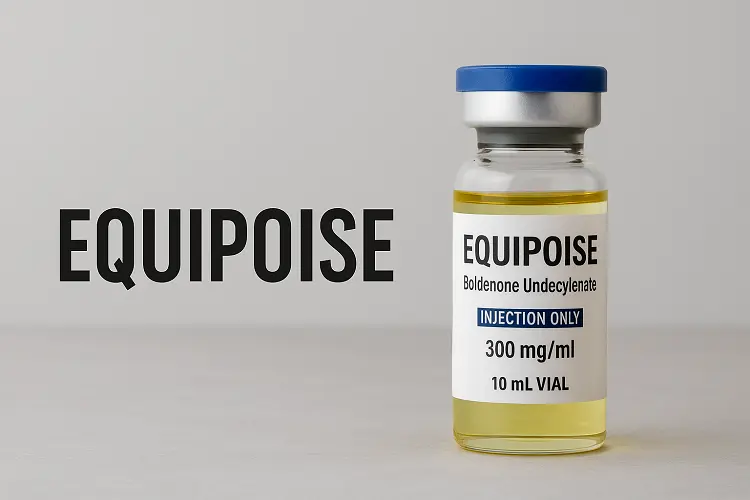
Learn about the most common and overlooked Equipoise side effects. Boldenone Undecylenate impacts your body during cycles, what to expect, and what athletes need to know before using this long-ester anabolic steroid.

Learn how to inject peptides safely and correctly. This step-by-step guide explains peptide preparation, injection sites, dosing tips, and best practices for bodybuilders and athletes seeking maximum results and minimal risks.
Customers Feedbacks
Please leave your feedback on products or service below.
Thank you beforehand.